Getting Started with Binance Account Creation
Binance stands as one of the world's largest cryptocurrency exchanges by trading volume, offering users access to hundreds of digital assets and sophisticated trading tools. Understanding how to navigate the Binance mark...
Heather Foster
Heather Foster - 2026-03-26 00:16
Quick Takeaways
Binance stands as one of the world's largest cryptocurrency exchanges by trading volume, offering users access to hundreds of digital assets and sophisticated trading tools. Understanding how to navigate the Binance mark...
- Binance has established itself as the leading cryptocurrency exchange globally, offering users a vast array of trading options beyond simple spot transactions. Among its most popular features is leveraged trading, which allows traders to amplify their...
- The cryptocurrency market continues to evolve with new digital assets emerging regularly, and PLATINUM COIN (PLCU) represents one such token that has garnered attention within the Binance ecosystem. As investors seek diverse opportunities across various...
- Binance has emerged as one of the most influential companies in the cryptocurrency and fintech space, offering exciting career opportunities for professionals worldwide. As the world's largest cryptocurrency exchange by trading volume, Binance provides a...
Binance stands as one of the world's largest cryptocurrency exchanges by trading volume, offering users access to hundreds of digital assets and sophisticated trading tools. Understanding how to navigate the Binance market effectively can help traders optimize their experience while minimizing risks and costs. This comprehensive guide covers everything from account setup to advanced trading strategies, ensuring you make informed decisions when using this popular platform.
Getting Started with Binance Account Creation
Creating a Binance account begins with visiting the official website and clicking the 'Register' button. Users must provide a valid email address and create a secure password. The registration process includes email verification, which requires clicking a confirmation link sent to your inbox.
For enhanced security, immediately enable two-factor authentication (2FA) using Google Authenticator or SMS. This adds an extra layer of protection against unauthorized access to your account. After completing basic registration, users should consider completing identity verification to increase withdrawal limits and access additional features.
KYC (Know Your Customer) verification involves submitting government-issued identification documents. While this step is optional initially, it becomes necessary for higher trading volumes and certain services. Verified accounts enjoy benefits such as increased daily withdrawal limits and access to fiat currency pairs.
Understanding Binance Fee Structure
Binance employs a tiered fee structure based on trading volume and BNB token holdings. Standard trading fees start at 0.1% for both makers and takers, though this rate decreases significantly for high-volume traders. Users holding BNB tokens receive additional discounts, making it advantageous to maintain some BNB in your wallet.
The fee schedule operates on a 30-day rolling basis, meaning your total trading volume during this period determines your applicable rates. Higher trading volumes result in lower fees, potentially reaching as low as 0.02% for both maker and taker orders. VIP levels range from VIP 9 (lowest fees) to VIP 6 (highest required volume).
Deposit fees are generally free for most cryptocurrencies, though blockchain network fees may apply depending on the asset being deposited. Withdrawal fees vary by cryptocurrency and are subject to change based on network conditions. These fees help cover the costs of transferring assets across various blockchain networks.
BNB Token Benefits and Discounts
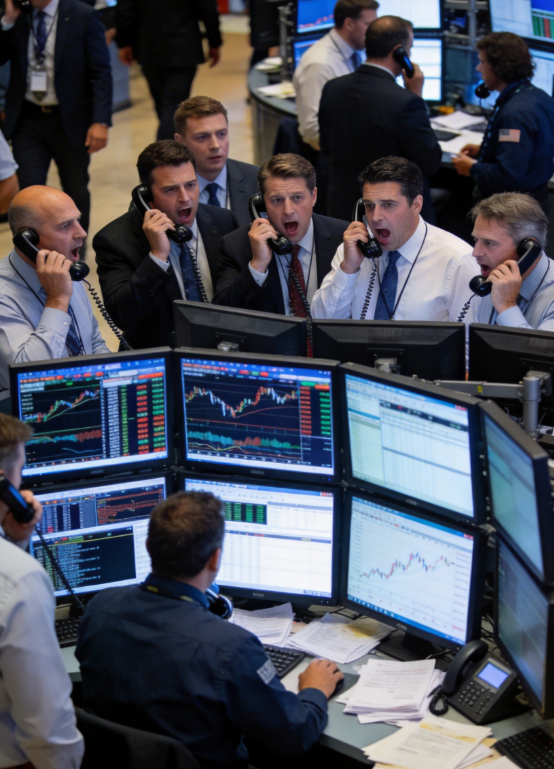
Holding BNB tokens provides substantial savings on trading fees. The discount percentage depends on your BNB holdings relative to total trading fees paid. Users can automatically apply these discounts by enabling the 'Use BNB for Fee Discount' option in their account settings. This feature seamlessly deducts fees in BNB at preferential rates rather than the base trading pair currency.
Supported Assets and Market Categories
Binance supports over 500 cryptocurrencies, ranging from major coins like Bitcoin and Ethereum to emerging altcoins and tokens. The platform categorizes markets into several types including spot trading, futures contracts, options, and leveraged tokens. Each category serves different trading objectives and risk tolerances.
Spot markets represent the core trading functionality, allowing users to buy and sell cryptocurrencies for immediate settlement. Popular pairs include BTC/USDT, ETH/BTC, and various stablecoin combinations. The platform continuously adds new listings based on community demand and market analysis.
Futures markets enable traders to speculate on price movements using leverage, typically ranging from 2x to 125x depending on the asset and position size. These instruments carry significant risk due to their leveraged nature and require careful risk management. Options provide alternative exposure with predetermined strike prices and expiration dates.
Exploring New Listings and Launchpad Projects
Binance regularly introduces new tokens through its launchpad system, offering early access to promising blockchain projects. These offerings often generate significant interest and potential returns, though they come with inherent risks associated with early-stage investments. Users should thoroughly research each project before participating in token sales.
Trading Workflow and Order Types
Navigating Binance's trading interface begins with selecting a trading pair from the extensive list of available markets. The standard trading view displays order books, price charts, and recent trade history. Users can switch between different charting tools and timeframes to analyze market trends effectively.

Binance offers multiple order types to accommodate various trading strategies. Market orders execute immediately at the best available price, ensuring quick execution but potentially experiencing slippage during volatile periods. Limit orders allow users to specify exact entry or exit prices, providing more control over transaction costs but risking non-execution if market prices don't reach the specified levels.
Stop-limit orders combine price triggers with limit order functionality, helping protect profits or limit losses by automatically placing limit orders when prices reach predetermined levels. OCO (One-Cancels-Other) orders allow simultaneous placement of take-profit and stop-loss orders, ensuring that executing one order automatically cancels the other.
Advanced Trading Features
Margin trading enables users to borrow funds for larger positions, amplifying both potential gains and losses. This feature requires maintaining minimum collateral ratios and carries liquidation risks when market movements work against leveraged positions. Traders should understand margin mechanics thoroughly before utilizing these tools.
Grid trading automates trading strategies by placing multiple buy and sell orders at predetermined price intervals. This approach works well in ranging markets but may underperform during strong trending movements. Dollar-cost averaging (DCA) tools help reduce timing risk by spreading purchases across multiple transactions over specified time periods.
Security Considerations and Best Practices
Account security remains paramount when using Binance or any cryptocurrency exchange. Beyond mandatory 2FA implementation, users should employ strong, unique passwords and avoid sharing login credentials. Phishing attempts targeting Binance users are common, so always verify website authenticity before entering sensitive information.
Enable withdrawal addresses whitelisting to prevent unauthorized fund transfers. This feature restricts withdrawals to pre-approved addresses, adding significant protection against account compromises. Regular monitoring of account activity and login history helps detect suspicious behavior early.
Never share private keys or seed phrases with anyone, including Binance support staff. The exchange manages user funds in custodial wallets, meaning users don't directly control private keys. For maximum security, consider withdrawing long-term holdings to personal hardware wallets where you maintain complete control over private keys.

Risk Management Strategies
Proper position sizing prevents excessive losses during adverse market movements. Many successful traders risk no more than 1-2% of their total capital on individual trades. Diversification across different assets and trading strategies helps reduce portfolio volatility while maintaining growth potential.
Stay informed about regulatory developments affecting cryptocurrency exchanges. Binance operates in multiple jurisdictions with varying compliance requirements. Changes in local regulations could impact service availability or impose additional restrictions on users in certain regions.
Customer Support and Resources
Binance provides customer support through ticket systems and online help centers. Response times vary depending on issue complexity and account verification status. Priority support may be available for higher-tier users or during critical situations.
The platform offers extensive educational resources including tutorials, trading guides, and market analysis tools. These materials help users develop better trading skills and stay informed about market developments. Regularly reviewing these resources can improve trading performance and reduce costly mistakes.
Binance Academy provides comprehensive learning materials covering blockchain technology, trading fundamentals, and security practices. These educational resources benefit both beginners and experienced traders looking to expand their knowledge base.
Conclusion
Binance market presents numerous opportunities for cryptocurrency trading while requiring careful attention to fees, security, and risk management. Success on this platform depends on understanding fee structures, utilizing appropriate order types, and implementing robust security measures. Whether you're a beginner exploring your first trades or an experienced trader seeking advanced features, Binance offers the tools and liquidity needed for effective cryptocurrency trading. Always remember that cryptocurrency trading involves substantial risks, and you should never invest more than you can afford to lose. Stay informed about market conditions and continuously refine your trading strategies to adapt to changing market dynamics.
Understanding Binance Withdrawal Mechanics
Withdrawing funds from Binance represents a critical skill for cryptocurrency traders and investors who need to move their assets safely between exchanges or to personal wallets. Understanding the withdrawal process, associated fees, security measures, and strategic timing can significantly impact your trading outcomes and asset security. This comprehensive guide addresses the complete withdrawal workflow while addressing common user concerns and market considerations.
The withdrawal process on Binance involves several verification steps designed to protect both users and the platform from unauthorized transactions. When initiating a withdrawal, users must navigate through security protocols that verify identity, destination address validity, and transaction parameters. The system checks against anti-money laundering (AML) regulations and internal security measures before processing any fund transfer.
Selecting the Right Platform for Airdrop Participation
The cryptocurrency landscape continues to evolve rapidly, and the concept of airdrops has become increasingly important for traders and investors. As we look ahead to 2026, understanding how to navigate airdrop opportunities effectively will be crucial for anyone seeking to maximize their portfolio growth. This comprehensive guide explores the essential aspects of participating in airdrops, focusing on practical platform usage, onboarding procedures, fee structures, supported assets, trading workflows, and critical security considerations.
Airdrops represent a distribution method where blockchain projects distribute free tokens to users' wallets. These distributions serve multiple purposes, including increasing token adoption, rewarding community members, and creating initial liquidity. In 2026, the airdrop landscape will likely feature more sophisticated mechanisms, requiring participants to engage with platforms more strategically than ever before.