Security Considerations for Token Distributions
The crypto landscape in 2025 has set the stage for what many experts predict will be a massive wave of airdrops throughout 2026. As blockchain projects continue to launch and mature, understanding how to navigate these o...
Lisa Walker
Lisa Walker - 2026-03-26 05:57
Quick Takeaways
The crypto landscape in 2025 has set the stage for what many experts predict will be a massive wave of airdrops throughout 2026. As blockchain projects continue to launch and mature, understanding how to navigate these o...
- Shiba Coin has emerged as one of the most prominent meme tokens in the cryptocurrency space, capturing significant attention from traders and investors worldwide. Listed on Binance, one of the world's largest cryptocurrency exchanges, SHIB has gained...
- The intersection of cryptocurrency trading and tax compliance has become increasingly complex as digital assets gain mainstream adoption. For traders using Binance, one of the world's largest cryptocurrency exchanges, managing tax obligations can feel...
- Moving cryptocurrency between exchanges and wallets is a common practice among digital asset holders. One of the most frequent transfers involves moving assets from Binance, one of the world's largest cryptocurrency exchanges, to MetaMask, a popular...
The crypto landscape in 2025 has set the stage for what many experts predict will be a massive wave of airdrops throughout 2026. As blockchain projects continue to launch and mature, understanding how to navigate these opportunities through exchanges becomes crucial for maximizing potential rewards while maintaining security.
Understanding 2026 Airdrop Opportunities
The year 2026 promises to be pivotal for airdrop enthusiasts, with numerous Layer 2 protocols, DeFi platforms, and new blockchain networks preparing to distribute tokens to early adopters and active users. Major exchanges are positioning themselves as primary gateways for accessing these opportunities, making platform selection critical for success.
Successful participation in upcoming airdrops requires strategic planning across multiple platforms, understanding eligibility requirements, and maintaining proper account management practices. The most valuable airdrops often reward users who demonstrate consistent engagement and hold specific asset portfolios.
Platform Selection and Onboarding Process
Choosing the right exchange for 2026 airdrop participation starts with evaluating platform features that align with your distribution goals. Leading exchanges typically offer dedicated airdrop sections, early notification systems, and comprehensive eligibility tracking tools.
The onboarding process varies significantly between platforms, but generally involves completing KYC verification, setting up two-factor authentication, and configuring withdrawal addresses for maximum security. Most reputable exchanges require identity verification before allowing participation in token distributions, so starting this process well in advance of expected airdrop announcements proves beneficial.
When creating accounts, consider establishing profiles on 3-5 different exchanges to maximize coverage across various blockchain ecosystems. This diversification strategy helps ensure you don't miss opportunities due to platform-specific limitations or geographical restrictions.
Verification Requirements and Timeline
Most major exchanges implement multi-tier verification systems that can take anywhere from a few hours to several weeks to complete. Basic verification typically allows small transactions and basic trading, while higher tiers unlock advanced features including participation in token sales and airdrops.
Prepare required documentation in advance, including government-issued ID, proof of address, and sometimes additional financial information. Some exchanges specifically require enhanced verification levels for airdrop participation, particularly when distributions involve significant token values.

Fees Structure for Airdrop Participation
While airdrops themselves are free distributions, participating through exchanges often involves various fee structures that can impact overall returns. Understanding these costs helps determine whether holding assets on exchanges or transferring to personal wallets provides better outcomes.
Common fee categories include deposit fees for moving assets to qualifying positions, trading fees if you need to acquire specific tokens for eligibility, and withdrawal fees when claiming distributed tokens. Some exchanges waive certain fees for verified airdrop participants, while others maintain standard pricing structures regardless of distribution status.
Consider the total cost basis when calculating potential airdrop returns. For example, if an airdrop distributes $50 worth of tokens but requires $20 in fees to maintain eligibility requirements, the effective return drops significantly. Always factor in gas fees, network charges, and potential tax implications when evaluating airdrop profitability.
Network Fee Considerations
Different blockchain networks impose varying transaction costs that affect both maintaining eligibility and claiming rewards. Ethereum-based airdrops often carry higher gas fees compared to Layer 2 solutions or alternative networks like Binance Smart Chain or Solana.
Some exchanges subsidize network fees for their users during major airdrop events, while others pass these costs directly to participants. Monitor fee trends on target networks leading up to expected distribution dates, as high congestion periods can dramatically increase transaction costs.
Supported Assets and Eligibility Tracking
Successful airdrop participation requires maintaining qualifying asset positions across supported cryptocurrencies and tokens. Different projects establish unique eligibility criteria, ranging from holding specific tokens to maintaining minimum balances over predetermined timeframes.
Leading exchanges typically support major cryptocurrencies including Bitcoin, Ethereum, and various altcoins that frequently appear in airdrop qualification requirements. However, emerging tokens and project-specific coins may require additional research to ensure your chosen platforms offer adequate support.
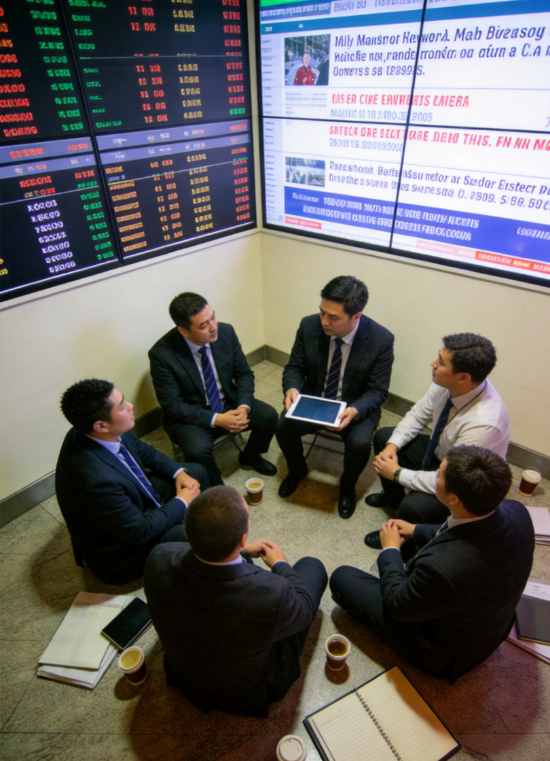
Many platforms provide eligibility dashboards that track your qualification status across multiple upcoming distributions. These tools often include snapshot date reminders, minimum balance requirements, and progress indicators to help maintain necessary positions.
Portfolio Diversification Strategies
Maintaining exposure to various blockchain ecosystems increases your chances of qualifying for diverse airdrop opportunities. Popular strategies include holding native tokens from major networks, participating in yield farming activities, and maintaining positions in promising DeFi protocols.
Consider rebalancing your portfolio quarterly to align with emerging trends and announced airdrop criteria. Some projects require holding tokens for extended periods (often 90+ days) before becoming eligible, making timing and position management crucial for optimal results.
Trading Workflow for Airdrop Preparation
Effective airdrop preparation involves systematic trading activities designed to meet qualification requirements while minimizing tax implications and transaction costs. This workflow begins with identifying upcoming distributions and understanding their specific eligibility criteria.
Popular trading strategies include accumulating qualifying tokens before announced snapshot dates, diversifying across multiple qualifying assets to hedge against individual project failures, and timing purchases to optimize average acquisition costs. Some traders also engage in staking or liquidity provision activities that enhance eligibility status.
Document all trading activities related to airdrop preparation, as tax authorities increasingly scrutinize these transactions. Maintaining detailed records of purchase dates, amounts, and associated costs helps ensure accurate tax reporting when distributions occur.
Risk Management Techniques
Airdrop participation carries inherent risks including market volatility, project failures, and regulatory changes. Implementing proper risk management involves diversifying across multiple potential distributions rather than concentrating on single opportunities.
Never invest more than you can afford to lose in airdrop-qualifying positions, as many projects fail to deliver promised distributions or see their tokens become worthless shortly after launch. Additionally, be wary of fake airdrops and phishing attempts that exploit enthusiasm around legitimate distribution events.

Security Considerations for Token Distributions
Security becomes paramount when participating in airdrop programs, as these events often attract malicious actors seeking to exploit inexperienced participants. Implementing robust security measures protects both your qualifying positions and eventual distributions.
Essential security practices include enabling two-factor authentication on all exchange accounts, using hardware wallets for long-term storage of qualifying assets, and maintaining updated antivirus software on devices used for cryptocurrency activities. Never share private keys, recovery phrases, or exchange login credentials with anyone.
Be particularly cautious of social media campaigns and third-party services promising guaranteed airdrop access. Legitimate distributions typically announce through official project channels and established exchange partnerships rather than social media promotions.
Phishing Prevention and Authentication
Airdrop-related phishing attempts represent a growing threat, with scammers creating fake websites and applications that mimic legitimate platforms. Always verify official exchange URLs, use bookmarked links rather than clicking search results, and confirm email communications through official support channels.
Many platforms implement additional security features specifically for airdrop participation, including IP whitelisting, transaction confirmation requirements, and enhanced monitoring for suspicious activities. Take advantage of these features when available.
Conclusion
Successfully navigating the 2026 airdrop landscape requires careful platform selection, strategic asset allocation, and robust security practices. By choosing exchanges with strong airdrop track records, understanding fee structures, and maintaining proper security protocols, participants can maximize their chances of benefiting from upcoming token distributions.
Remember that airdrops represent just one component of a diversified cryptocurrency strategy, and past performance doesn't guarantee future results. Stay informed about regulatory developments, maintain realistic expectations, and always prioritize fund security over potential gains when participating in distribution events.
Comparative Analysis: Airdrop vs Traditional Trading
The airdrop coin market represents one of the most dynamic segments in cryptocurrency trading today. As blockchain projects increasingly use token distributions to build communities and reward early supporters, understanding how to navigate this space has become crucial for traders seeking profitable opportunities. This comprehensive guide explores the strategies, risks, and market dynamics that define successful participation in airdrop coin markets.
Airdrop coins refer to tokens distributed freely to wallet holders, often as marketing strategies or community-building initiatives. These distributions can come from established projects rewarding loyal users or new protocols seeking adoption. The airdrop coin market operates differently from traditional trading because value realization typically occurs after distribution rather than through active buying and selling.
Understanding Airdrop Distribution Mechanics
Airdrop participation through Trust Wallet has become a cornerstone strategy for crypto investors seeking early access to promising tokens. Understanding how these distributions work, which platforms offer the best opportunities, and how to maximize your benefits while minimizing risks requires strategic thinking and careful execution.
Crypto airdrops represent free token distributions from projects to users who meet specific criteria. These distributions serve multiple purposes: rewarding loyal community members, encouraging wallet adoption, and creating initial token distribution across diverse addresses. Trust Wallet has positioned itself as a preferred platform for these distributions due to its security features and active user base.