Long-Tail Search Intent Considerations
The Binance Card has emerged as one of the most talked-about crypto payment solutions in the digital asset space. As users increasingly seek ways to bridge their cryptocurrency holdings with everyday spending, this debit...
Shirley Cox
Shirley Cox - 2026-03-25 23:00
Quick Takeaways
The Binance Card has emerged as one of the most talked-about crypto payment solutions in the digital asset space. As users increasingly seek ways to bridge their cryptocurrency holdings with everyday spending, this debit...
- The cryptocurrency market has revolutionized how we think about financial transactions, and platforms like Binance have become central to this digital transformation. Among the various concepts that traders encounter, "flow" represents one of the most...
- In the rapidly evolving world of cryptocurrency trading, every dollar saved on transaction costs can significantly impact your overall profitability. With numerous exchanges competing for users' attention, finding a crypto exchange with low fees has become a...
- In an era where digital finance continues to reshape traditional banking, the concept of "Binance Bank" has captured the attention of investors and financial enthusiasts worldwide. While Binance itself isn't a traditional bank, its expanding ecosystem has...
The Binance Card has emerged as one of the most talked-about crypto payment solutions in the digital asset space. As users increasingly seek ways to bridge their cryptocurrency holdings with everyday spending, this debit card offers a compelling proposition. This comprehensive review examines how the Binance Card compares with competitors, explores strategic usage approaches, addresses common user concerns, and highlights important risk considerations that potential users should understand.
Understanding the Binance Card Ecosystem
The Binance Card operates as a cryptocurrency-powered debit card that allows users to spend their digital assets at millions of merchants worldwide. Unlike traditional debit cards tied to bank accounts, the Binance Card draws from cryptocurrency balances held on the Binance platform. When making purchases, the system automatically converts selected cryptocurrencies into local fiat currency, enabling seamless transactions without requiring merchants to accept crypto directly.
This innovative approach addresses one of crypto's biggest challenges: the gap between digital asset ownership and real-world utility. Users can leverage their Bitcoin, Ethereum, or other supported cryptocurrencies for daily expenses while maintaining exposure to their preferred digital assets.
Binance Card vs Competitors Comparison
When comparing the Binance Card to similar products like Crypto.com Card, Coinbase Card, and Wirex, several key differences emerge. The Binance Card currently supports over 50 cryptocurrencies for spending, which exceeds many competitors' offerings. This extensive selection gives users more flexibility in choosing which assets to convert for purchases.
Regarding fees, the Binance Card charges a 1% conversion fee on all purchases, which is competitive compared to Crypto.com's 0.5% for premium tier holders but higher than some basic alternatives. However, Binance users benefit from reduced fees when paying with BNB tokens, potentially lowering costs significantly for active platform participants.
- Cashback rewards: Binance offers up to 8% cashback in BNB for certain spending categories
- Global acceptance: Works wherever Visa is accepted in over 150 countries
- Multiple card types: Virtual and physical card options available
- Instant conversions: Real-time crypto-to-fiat processing during transactions
The competitive advantage lies in Binance's established ecosystem integration, allowing users to seamlessly move between trading, staking, and spending activities within the same platform.

Strategic Usage Approaches
Successful implementation of the Binance Card requires strategic thinking about when and how to use different cryptocurrencies for spending. Smart users often maintain separate allocation strategies based on their investment goals and spending patterns.
For regular daily expenses, consider using stablecoins like BUSD or USDC to avoid volatility concerns while still leveraging the card's benefits. For larger purchases where cashback rewards maximize value, strategically select high-performing assets that align with your investment timeline. Users frequently report success by timing purchases during market dips when converting crypto to fiat provides favorable entry points for their holdings.
Tax optimization represents another strategic consideration. Since each conversion constitutes a taxable event in many jurisdictions, maintaining detailed records of transactions helps ensure compliance while potentially optimizing tax implications. Some users prefer consolidating smaller purchases to reduce the frequency of taxable events while others appreciate the automatic tracking provided through the Binance platform.
Common User Questions Addressed
Prospective users frequently ask whether the Binance Card affects their trading performance on the main platform. The card operates independently from trading functions, meaning card usage doesn't impact trading fees, limits, or access to other Binance features. However, maintaining adequate cryptocurrency reserves becomes crucial since card spending reduces available balances for trading opportunities.
International usage concerns often arise regarding currency conversion rates and foreign transaction fees. The Binance Card uses competitive interbank exchange rates for conversions, typically offering better rates than traditional credit cards for international purchases. Foreign transaction fees apply only to the standard 1% conversion fee, with no additional international surcharges.
Security questions focus on protection against unauthorized transactions and loss prevention. The Binance Card includes standard security features like PIN protection, transaction alerts, and the ability to freeze cards instantly through the mobile app. Additionally, since the card draws from exchange-based balances rather than individual wallets, users benefit from Binance's institutional-level security infrastructure.

Activation and Setup Process
Getting started with the Binance Card involves completing identity verification (KYC) requirements, funding your Binance account with supported cryptocurrencies, and ordering your physical or virtual card. The process typically takes 24-48 hours for approval, followed by 7-14 days for physical card delivery depending on location.
Risk Considerations and Warnings
While the Binance Card offers significant benefits, users must understand associated risks before adoption. Cryptocurrency volatility remains the primary concern, as sudden price movements can dramatically affect purchasing power between the time a transaction is initiated and completed. This volatility risk increases with longer settlement times or network congestion affecting certain cryptocurrencies.
Exchange dependency creates another risk category. Since the card relies on Binance's operational stability, any platform issues could temporarily affect card functionality. Users should maintain alternative payment methods and avoid putting all spending funds exclusively on the platform.
Regulatory uncertainty poses ongoing risks, particularly regarding cryptocurrency regulations that could affect card availability or functionality. Different countries have varying approaches to crypto payments, and regulatory changes could impact service availability in specific regions.
Cybersecurity threats remain ever-present in the crypto space. While Binance maintains robust security measures, users must practice good security hygiene, including enabling two-factor authentication, using strong passwords, and monitoring account activity regularly.
Market Volatility Impact
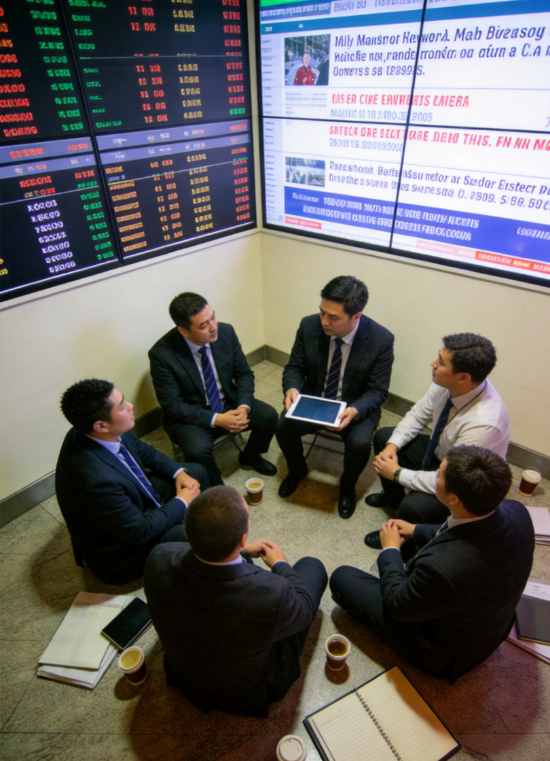
During periods of extreme market volatility, the 1% conversion fee might become less significant compared to potential price swings occurring during transaction processing. Users should consider market conditions when making larger purchases and potentially time transactions during more stable market periods.
Long-Tail Search Intent Considerations
Users searching for specific scenarios often want to know about Binance Card compatibility with subscription services, travel booking platforms, and recurring payments. The card generally works well with most subscription services, though some companies may flag cryptocurrency-linked cards as high-risk due to chargeback limitations inherent in crypto transactions.
Travel enthusiasts appreciate the card's global acceptance and competitive conversion rates, but should note that some hotels and car rental companies may place temporary holds that tie up larger amounts of cryptocurrency than traditional credit card holds. Planning for these larger temporary reserves becomes important for extended travel periods.
E-commerce shoppers frequently inquire about merchant compatibility, particularly with platforms that have historically been cautious about crypto-related payments. The Binance Card's Visa branding typically resolves most compatibility issues, though some merchants may still have internal policies restricting cryptocurrency-linked transactions.
Conclusion
The Binance Card represents a sophisticated solution for bridging cryptocurrency holdings with everyday spending needs. Its competitive fee structure, extensive cryptocurrency support, and integration with the broader Binance ecosystem make it attractive for active crypto users seeking payment flexibility. However, successful usage requires understanding of market volatility, strategic asset allocation, and proper risk management practices.
Before adopting the Binance Card, users should evaluate their spending patterns, risk tolerance, and cryptocurrency usage goals to determine if the card aligns with their financial objectives. The combination of strategic planning, careful risk management, and understanding of both cryptocurrency markets and traditional payment systems will maximize the card's utility while minimizing potential downsides. For users who meet these criteria, the Binance Card can serve as an effective tool for incorporating cryptocurrency into daily financial life while maintaining exposure to digital asset appreciation potential.
Security Considerations and Risk Management
Airdrops represent one of the most accessible ways to earn cryptocurrency without initial investment. These free token distributions from blockchain projects and exchanges provide opportunities for users to acquire digital assets while participating in network activities. Understanding how to effectively navigate airdrop platforms requires knowledge of onboarding processes, supported assets, trading workflows, and essential security measures.
Airdrops function as marketing tools where blockchain projects distribute free tokens to users who complete specific tasks. These distributions serve multiple purposes: increasing user adoption, creating a broader token holder base, and rewarding early supporters. Projects often require participants to hold specific cryptocurrencies, follow social media accounts, join communities, or complete educational modules.
Strategic Approaches for Airdrop Participation
Cryptocurrency airdrops have become a significant marketing tool in the digital asset space, offering tokens to users for various activities or simply for being part of specific communities. Understanding which airdrops are legitimate versus scams requires careful analysis of market patterns, project fundamentals, and user experiences across different platforms.
Legitimate cryptocurrency airdrops typically come from established projects or upcoming launches that need community engagement. These distributions serve multiple purposes: creating awareness, building user bases, and distributing tokens fairly without centralized control. The most credible airdrops involve transparent teams, published whitepapers, and clear use cases for their tokens.